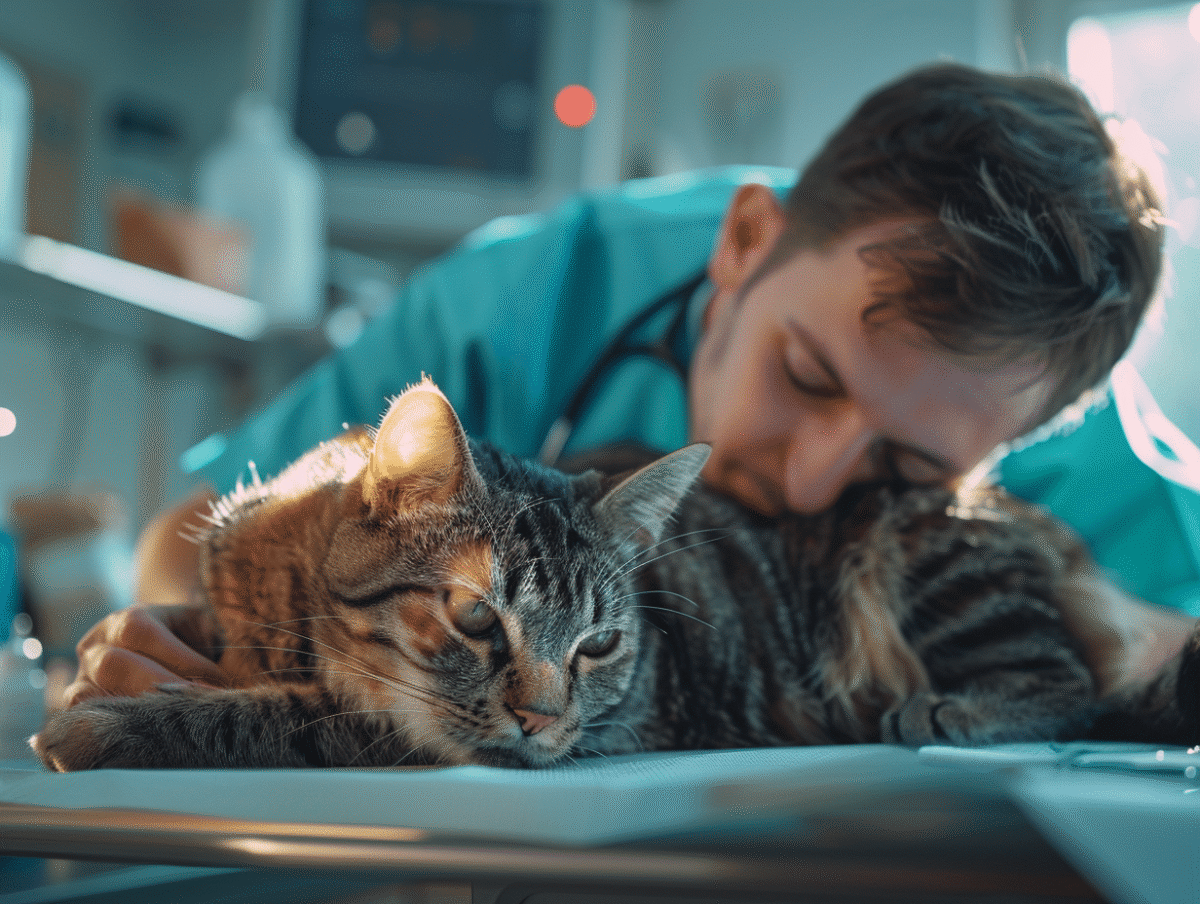
Cat owners often face the challenge of interpreting the signals their pet sends them. Unlike humans, felines cannot verbalize their discomfort or pain. You need to recognize the signs of distress in these mysterious companions. A variety of symptoms can indicate that something is wrong, ranging from subtle behavioral changes to obvious physical manifestations. Understanding these signals can be key to ensuring your feline’s well-being and acting quickly in case of an underlying health issue.
Recognizing and Understanding Symptoms of Distress in Cats
Be aware that your cat’s behavior is a precise barometer of its health. Notable changes in daily habits should raise your attention. Symptoms of distress may manifest as lethargy, a lack of interest in play or food, or even more alarming signals like excessive meowing or withdrawal. Also, observe the cleanliness of your cat’s coat, which reflects its overall well-being.
Older cats exhibit distinct signs compared to younger individuals. Signs of an elderly or end-of-life cat include decreased activity, a tendency to isolate, loss of appetite, neglect of grooming, accidents outside the litter box, and increased sleeping. These signals should alert you to the need for closer monitoring, or even a visit to the veterinarian.
Consider that stress is an aggravating factor for your pet’s health. It can induce compulsive behaviors such as excessive licking or aggression outbursts. A stable environment and a reassuring routine are essential to prevent these pitfalls. The cat is a routine animal whose well-being greatly depends on the respect of its habits.
Never ignore a symptom such as ‘my cat is vomiting brown’. This could indicate a liver condition or the presence of digested blood, requiring immediate veterinary intervention. Take any change in your cat’s elimination habits seriously, whether it concerns the frequency, consistency, or color of its stools or vomit. This information is essential indicators of cat health and can reveal health issues requiring urgent care.
When and How to React to Signs of Distress in Your Feline
When faced with a cat showing signs of pain or discomfort, the reaction should be prompt and appropriate. If symptoms persist or worsen, a consultation with the veterinarian is necessary. This animal health professional is the only one qualified to make an accurate diagnosis and propose appropriate treatment. Note that prompt management of health issues can significantly increase your pet’s lifespan.
The quality of life of a cat, a determining factor in its longevity, relies on a balanced diet, regular hygiene care, and daily attention to its behavioral needs. Domestic cats typically live between 12 to 15 years, but attentive care can allow some to exceed 20 years. Prevention and care are the pillars of a fulfilling and prolonged feline life.
When a cat reaches an advanced age or struggles with an incurable illness, palliative care becomes a compassionate option to relieve its suffering. This care, provided with the support of the veterinarian, aims to maintain the animal’s comfort, alleviate pain, and allow it to live its final days with dignity.
In cases where pain and discomfort cannot be managed, euthanasia may be considered an act of ultimate kindness. Far from being an easy decision, it requires an open dialogue with your veterinarian to evaluate all aspects of the situation and act in the best interest of your companion.