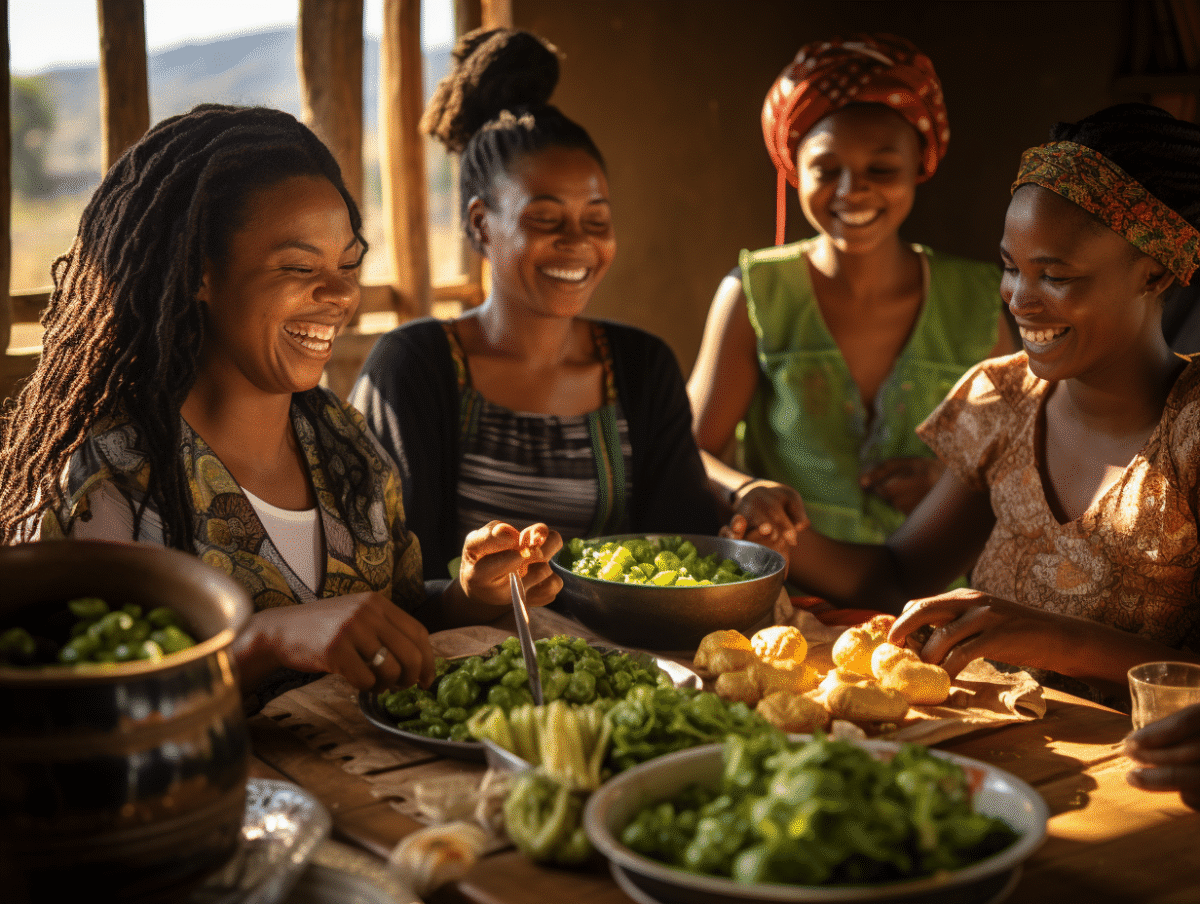
In Madagascar, the refusal to consume pork is part of a complex framework where ancestral traditions and religious beliefs intertwine. Although pork is appreciated in certain regions, some communities avoid it, guided by cultural prohibitions or religious prescriptions such as Islam, practiced by a portion of the population. This abstention leads to a search for alternative food sources, with an emphasis on fishing or raising other animals, such as zebu, a cornerstone of Malagasy identity. The diversity of dietary practices on the island reflects the richness of its cultural heritage and its adaptations to a specific socio-economic environment.
The cultural and religious foundations of the refusal to consume pork in Madagascar
At the heart of the red island, discover why pork is forbidden in Malagasy tradition: the fady, a traditional prohibition, plays a predominant role in the food taboos of Malagasy culture. These prohibitions, passed down from generation to generation, are deeply rooted in ancestral beliefs and continue to shape the dietary habits of the Malagasy population. The non-consumption of pork is often dictated by the respect for these prohibitions, considered an immutable heritage from ancestors.
Pork, although it is a potentially abundant source of protein, is excluded from the diet of many Malagasy people due to these fady. It is interesting to note that these taboos are not uniformly spread across the island; they vary from region to region, from community to community, reflecting the diversity of Madagascar’s cultural heritage. Some beliefs suggest that consuming this meat could bring misfortune or illness to those who eat it or their families.
In a context where religion and tradition intertwine, the refusal to consume pork is also found among the island’s Muslim communities. The Islamic religion, practiced by a significant fraction of the Malagasy population, strictly prohibits the consumption of pork, in accordance with the prescriptions of the Quran. This religious refusal reinforces the traditional prohibitions already present, creating a convergence between faith and custom.
If by chance a Malagasy person were to consume pork, traditions prescribe a purification ritual: individuals must shower with holy water to purify themselves. This ritual, far from trivial, reflects the importance of adhering to prohibitions and the necessity of maintaining purity within the community, according to ancestral principles. These practices illustrate the complexity of the belief systems that govern daily life in Madagascar and the enduring influence of traditions on contemporary dietary behavior.
Alternative dietary practices and their socio-economic impact in Madagascar
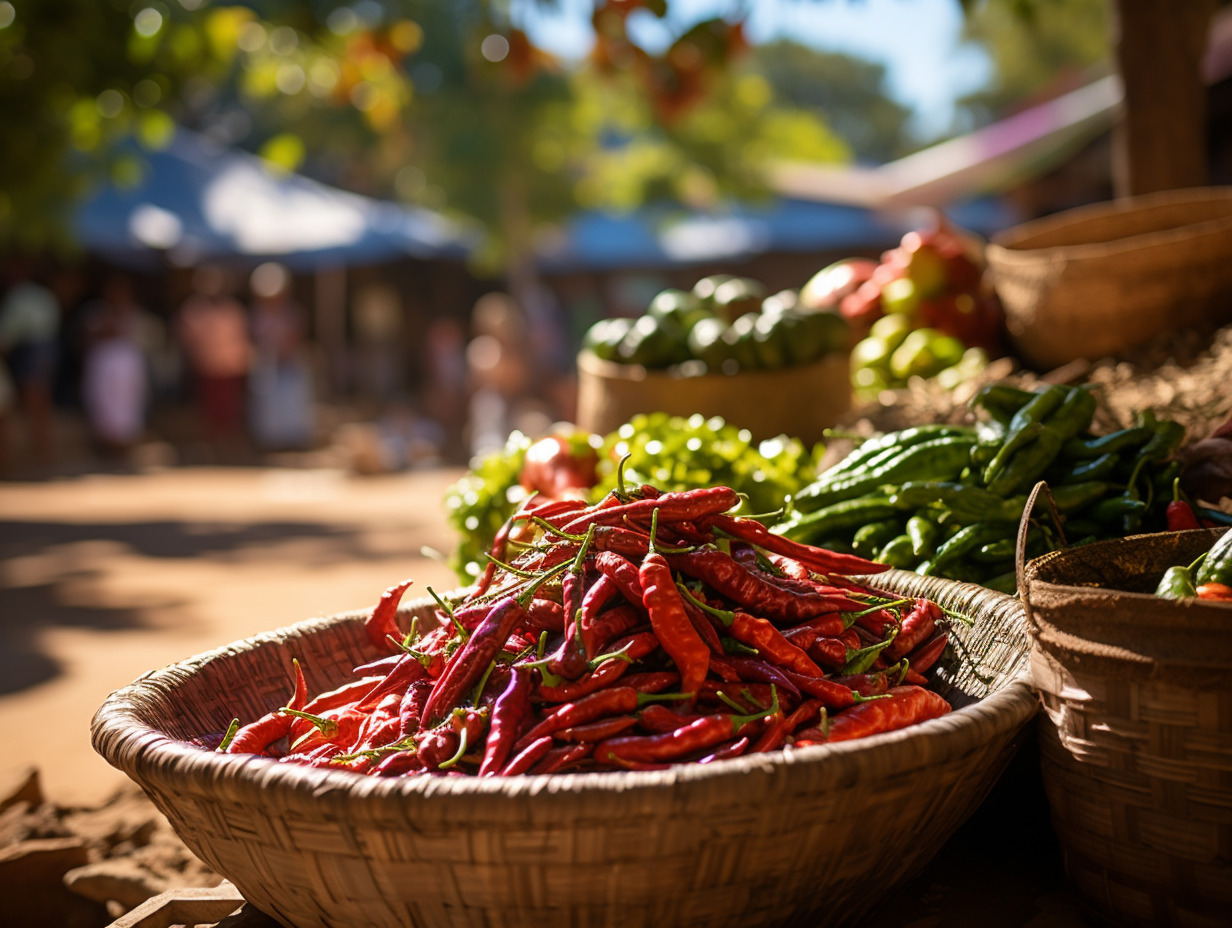
In the face of the pork prohibition, Malagasy people turn to other sources of protein. Zebu, in particular, holds a prominent place on the local plate. This alternative, although more expensive, is socially accepted and does not conflict with any fady. Chicken and fish, caught in the vast coastal areas and inland lakes, are also among the preferred substitutes. These dietary practices, adapted to existing taboos, reflect a society in constant search of balance between respect for traditions and nutritional needs.
Rice, the undisputed staple food in Malagasy land, represents another pillar of the local diet. Its daily consumption, almost sacred, surpasses that of pork and structures the agrarian economy of the country. The cultivation of rice, intensive and water-consuming, mobilizes a large part of the agricultural workforce and strongly influences the economic landscape of the island. However, dependence on this cereal leads to vulnerability to climatic fluctuations, highlighting the importance of diversifying income sources for farmers.
The impact of these dietary practices on the Malagasy economy is undeniable. The production chains of alternative meats, such as zebu or poultry, stimulate the local market and contribute to the emergence of a more resilient agri-food sector. Fisheries represent a significant source of income for coastal communities, thus energizing the economy of the affected regions.
The diversification of dietary habits, encouraged by the prohibitions on pork, fosters the emergence of vegetable farming and small alternative livestock operations. These initiatives, often driven by cooperatives or local associations, contribute to food self-sufficiency and poverty reduction. Dietary practices in Madagascar, shaped by cultural and environmental constraints, generate adaptive strategies that lead to socio-economic development.