In a world where sustainability and ecology are becoming increasingly important, traditional construction with natural materials is gaining ground against modern methods. Builders are rediscovering the virtues of resources such as rammed earth, stone, wood, and straw. These materials, often sourced locally, reduce the carbon footprint of constructions and ensure a harmonious integration into the environment. Their implementation, which results from ancestral know-how, requires a fine understanding of physical properties and mastery of traditional techniques adapted to contemporary challenges.
The subtleties of traditional construction with natural materials
In the quest for a more environmentally friendly habitat, construction stakeholders are turning to natural materials that align with an eco-construction approach. Wood, with its multiple variations, such as fiberboard or Douglas fir cladding, stands out for its ability to create structures that are both solid and aesthetic. The wooden frame, in particular, allows for the erection of passive houses that optimize energy consumption. The wooden house, beyond its ecological character, offers a range of different architectural styles, from the traditional mountain chalet to the contemporary wooden bridge arching over a bucolic stream.
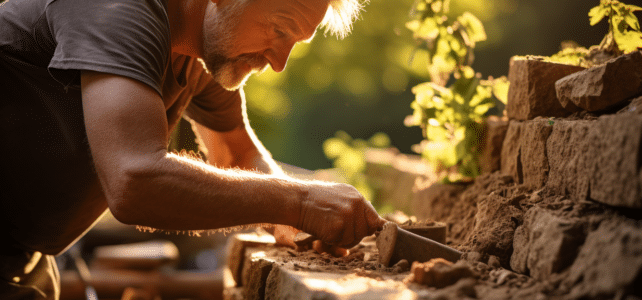
Materials such as rammed earth and stone, often extracted close to the construction site, strengthen the connection with nature and contribute to the enhancement of local heritage. Rammed earth, used for millennia, finds its place today in construction and renovation projects, combining thermal performance and aesthetics. Provençal houses, with their thick stone walls and roofs adorned with tiles, perfectly illustrate the use of local materials in a symbiosis of history and art.
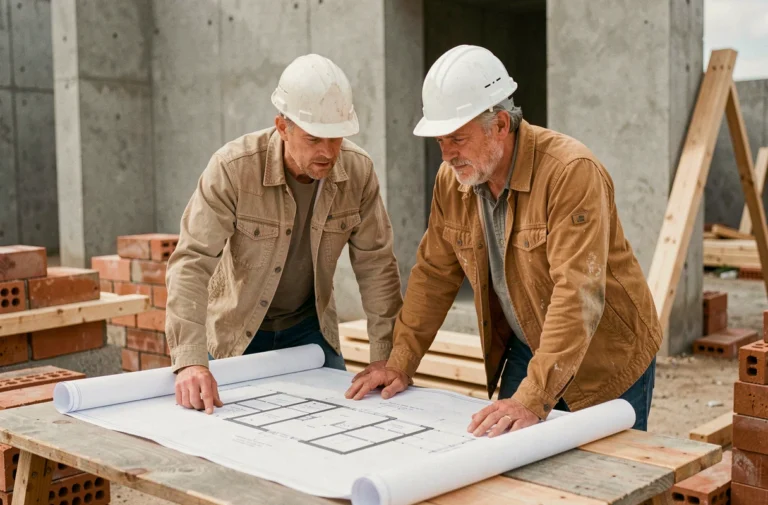
Collaboration between architects and builders is essential for the implementation of these materials. These professionals, armed with their expertise, design and erect homes that resonate with regional traditions while integrating technical innovations. The ecological house thus anchors itself in a sustainable development approach, harmonizing contemporary habitat needs with environmental preservation and the enrichment of local architecture.

The environmental and aesthetic advantages of natural materials in construction
The adoption of natural materials in construction reveals tangible benefits for the environment and living conditions. Eco-friendly materials such as wood, hemp, straw, and brick embody an approach to sustainable construction. Their low environmental impact, due to a reduced carbon footprint and their ability to be recycled or renewed, makes them preferred choices for low-energy buildings. These materials contribute to better indoor air quality, as they are often non-toxic and emit low levels of volatile organic compounds.
Beyond their environmental performance, these materials stand out for their natural aesthetics and versatility. Wood, with its warmth and ability to integrate into various architectural contexts, or stone, used in both contemporary and traditional designs, visually enrich the built landscape. Insulation can also be provided by innovative materials such as cellulose wadding, cork, or sheep wool, which, while protecting against climatic variations, add texture and visual comfort to homes.
Sustainable architecture draws on these materials to create spaces that meet the demands of energy efficiency and occupant well-being. Buildings erected with this perspective combine performance with sensory pleasure. They redefine ecological living, not only through their low environmental impact but also through their ability to enhance the quality of life of residents. Green construction is not limited to a simple technical approach but is part of a holistic vision of living and building.