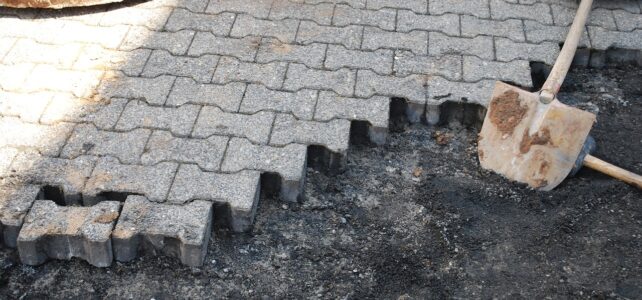
Creating a road is much more than just a matter of surface covering. Between site preparation, material selection, and implementation techniques, road paving is an art that requires skill and precision. Whether for an urban highway, a country road, or a residential driveway, each step is important to ensure durability and safety.
Site Preparation: The Foundation of Any Project
Before laying the first grain of asphalt, it is imperative to properly prepare the site. This phase determines the success of the entire project.
- Soil Study: Analyze the nature of the soil and its behavior through surveys and geotechnical assessments. This step allows for the adaptation of construction techniques and helps avoid future problems such as settling or cracking.
- Excavation and Backfill: After the study, proceed with earthworks. This includes removing topsoil and unstable materials as well as backfilling with more suitable materials. This operation ensures a solid foundation for the future road.
- Compaction: The surface must be perfectly flat and compact. For this, rollers are used to ensure a homogeneous density. Proper compaction is essential to prevent deformations.
Material Selection: The Key to Durability
The choice of materials is crucial for the longevity and quality of the road. Each type of material has its own specificities and advantages.
- Gravel and Sand: Form the base of the pavement. Their role is to ensure good drainage and prevent water accumulation that could weaken the road structure.
- Bitumen and Asphalt: Used for their robustness and ability to withstand heavy loads. Bitumen is a binder that holds the aggregates together while asphalt provides a smooth and durable surface.
- Concrete: Ideal for high-traffic roads, concrete offers great resistance to wear. Paving blocks can also be used for specific areas requiring a particular aesthetic. The link with paving will guide you on the maintenance of this type of material.
Implementation: Essential Techniques
Once the site is ready and the materials chosen, it’s time to move on to implementation. Each technique has its own methods and requirements.
- Foundation Layer Application: This step involves spreading and compacting the rubble on the prepared ground. The foundation must be rigorous to ensure the stability of the surface layer.
- Base Layer Installation: On top of the foundation, an intermediate layer of materials, often gravel or sand mixed with bitumen, is laid.
- Wearing Course Application: This is the final layer, the one on which vehicles will drive. It must be carefully laid to provide a smooth, secure, and durable surface.
Finishing and Verification: For Impeccable Quality
The finishing and verification steps are just as important as the previous phases. They ensure the safety and longevity of the freshly paved road.
- Marking and Signage: Once the road is paved, it is essential to proceed with ground marking. Lines and symbols ensure smooth and secure traffic.
- Inspection and Quality Testing: Before delivering the road, tests are conducted to verify the quality of the paving. Leveling, compaction, and resistance checks ensure that everything meets the standards.
Road paving is a complex task that requires preparation, careful material selection, and precise implementation techniques. Each step, from the initial excavation to the final marking, plays a crucial role in ensuring a safe and durable road. Although it may seem like a daunting task, the result is worth the effort when it comes to ensuring the safety and comfort of users.