
When looking for leisure activities, equipment rentals, or outing ideas, one often encounters websites where navigation remains unclear. You click, go back, and miss a section. C Fun brings together several types of services on one site, and the best way not to miss anything is to understand how its content is organized.
Sitemap and C Fun’s website architecture: a map to not miss anything
Have you ever searched for a specific page on a site without finding it through the main menu? A sitemap lists all the accessible pages in one place. It’s a direct shortcut to each section, each service, each published content.
At C Fun, this logic is applied simply. Instead of navigating section by section, you just need to check C Fun’s pages for a complete view of the offerings. Rentals, activities, practical information: everything appears on a single page, categorized.
This type of page is also useful for search engines. Google and other indexers rely on these lists to discover deep pages that are not always linked from the menu. A well-structured sitemap improves the visibility of each piece of content on the site in search results.

Educational content and online activities: what leisure platforms offer
C Fun is not an isolated case. The leisure and online learning sector multiplies formats to reach different audiences: children, families, curious passersby. Understanding these formats helps to better exploit what a site like C Fun has to offer.
Video, reading, and games: three complementary formats
Online content generally falls into three main categories:
- Video remains the most consulted format. Short tutorials, activity presentations, or feedback allow users to envision before booking.
- Reading (articles, practical sheets, downloadable PDFs) suits those who prefer to browse details at their own pace, compare options, or prepare for an outing.
- Games and interactive content target children and families more. They turn the discovery of an activity into a playful experience, even before moving out.
A leisure site that offers these three formats covers the majority of uses. When exploring the pages of a provider like C Fun, look for the presence of these contents: it’s a good indicator of the richness of the offering.
Artificial intelligence and personalized journeys
Artificial intelligence is beginning to transform how platforms organize their content. On FUN-MOOC, for example, the BrevetAI course offers a seven-week training dedicated to understanding AI and its societal challenges, with no technical prerequisites.
This type of course distinguishes between free access (videos, quizzes, badge upon success) and a paid certification that involves a monitored remote exam. Free access is sufficient to acquire the basics, while certification adds formal validation.
For leisure sites, AI intervenes differently. It can recommend activities based on previously viewed pages, adjust the display according to the device used, or offer content in multiple languages. The BrevetAI course is also available in French and English, with adjustable subtitles and reading speed.

Exploring a leisure site effectively: a concrete method
Browsing a content-rich site without a method is like visiting a library without a map of the shelves. Here’s a simple approach that works regardless of the provider.
Start with the sitemap. This page provides the complete structure and reveals sections that may sometimes be absent from the navigation menu. Some seasonal services or archived content only appear there.
Next, identify the main categories. On a site like C Fun, they usually correspond to types of services: equipment rental, guided activities, occasional events. Each category groups pages with increasing levels of detail, from general presentations to technical sheets.
Use the internal search bar if it exists. A specific keyword (the name of an activity, a location, or equipment) will lead you directly to the right page without going through hierarchical navigation.
Free online courses and open content: the model that is becoming widespread
The principle of open content, accessible at one’s own pace, goes beyond the academic framework. FUN-MOOC offers courses like AI for Sustainability Sciences, which remains open without a set schedule. This model influences leisure and cultural sites.
A provider that publishes practical sheets, downloadable guides in PDF, or videos viewable without registration adopts the same logic. Open content creates a first contact without commitment. The visitor discovers the offering, assesses the quality, and then decides to book or purchase.
For families with children, this approach is particularly suitable. Educational content is consulted at home, the outing is prepared, and the on-site activity becomes richer because one already knows what to expect.
Personal data and navigation: what to check
Exploring a site involves leaving traces. Cookies, registration forms, browsing history: each interaction generates data. Before creating an account or providing an email address, check two points:
- The presence of a privacy policy accessible from the footer. It should specify what data is collected and for what purpose.
- A cookie management panel that allows rejecting non-essential trackers. Mandatory cookies ensure the site’s functionality, while others are used for audience measurement or advertising.
- The ability to delete one’s account and data upon request, in accordance with current regulations.
These checks take a few seconds and apply to any site, including leisure platforms.
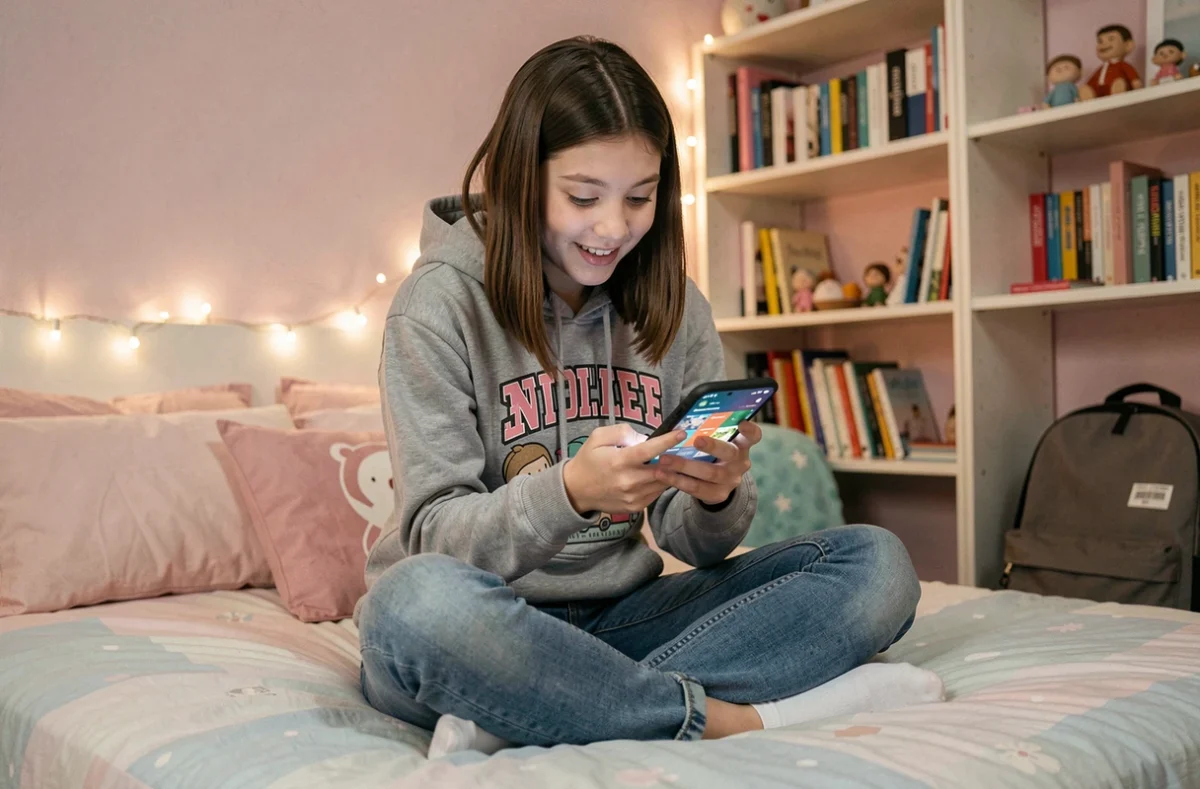
A well-organized site is recognized by how easily one can find what they are looking for. The sitemap remains the most underutilized tool by visitors, even though it provides access to all published content. Starting with the sitemap saves time and reveals services that one might have otherwise overlooked.