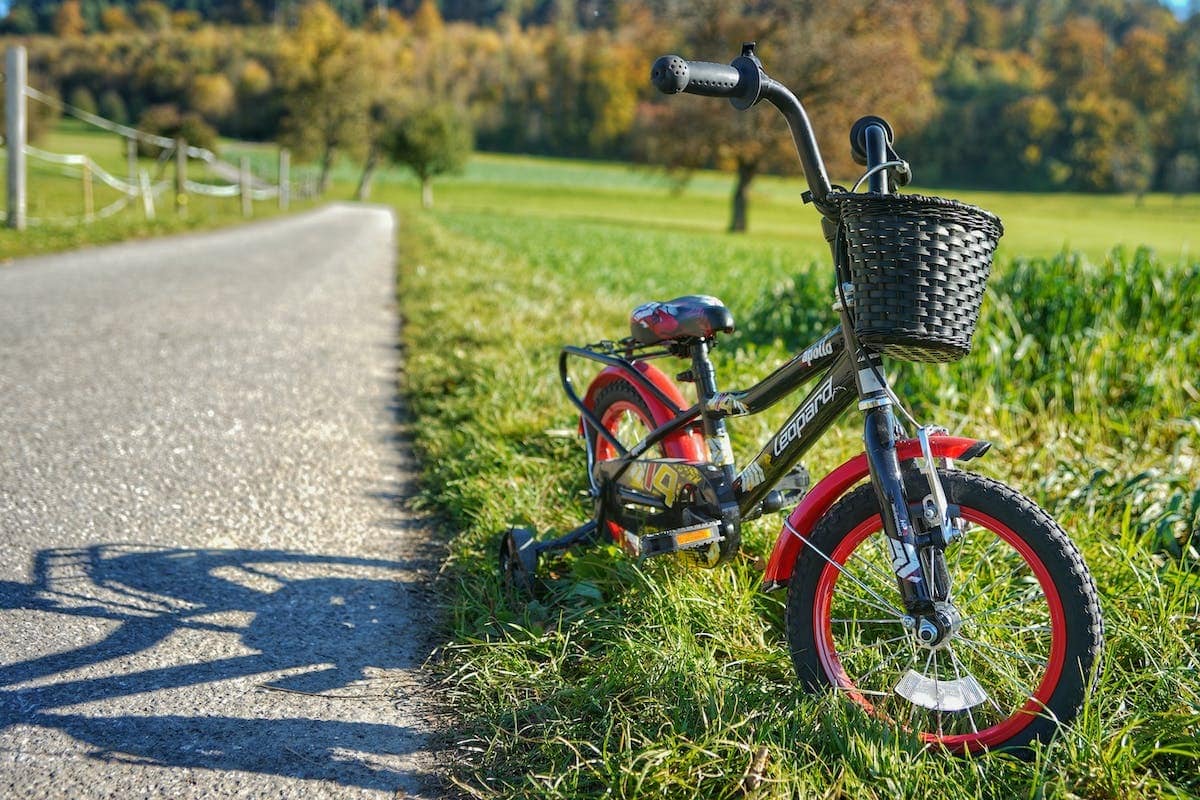
From a young age, children are often fascinated by the idea of riding their own bike without training wheels. This is a crucial step in their development, symbolizing their growing independence and ability to overcome challenges. You need to choose the right moment for this transition. Several factors come into play: their age, balance, emotional maturity, and even the season. A balanced and well-planned approach can make this learning experience positive and memorable, while also boosting their self-confidence.
Children’s Awakening to Biking: A Step Towards Autonomy
The age of biking without training wheels is a crucial period in a child’s development. It is a symbolic passage, a rite of initiation that marks the transition from childhood to a certain form of autonomy.
This stage typically occurs around the ages of 5 to 6, when children begin to develop sufficient motor coordination to maintain their balance on two wheels. However, every child is unique, and some may be ready earlier or later than this average age.
The benefits associated with this practice are numerous. From a physical perspective, pedaling strengthens the cardiovascular system as well as the muscles in the legs and thighs. It also promotes psychomotor development by exercising hand-eye-foot coordination, which is essential in both sports and academic activities.
From a psychological perspective, gaining autonomy through biking without training wheels provides children with valuable self-confidence. They discover their own physical limitations and learn how to overcome these obstacles by themselves, leading to personal pride and self-satisfaction.
This experience is also formative in learning to respect rules (especially those related to road safety), as well as in fostering a sense of community when they ride with other cyclists or share their experiences in a group.
We must not overlook the enjoyment associated with mastering a bike without training wheels! The wind in their hair and the exhilarating speed can provide young cyclists with an intense feeling of freedom!
Whether it’s about autonomy, self-confidence, or even physical health, all these elements clearly highlight why crossing the iconic milestone represented by ‘the age of biking without training wheels’ remains a special moment in the personal development of our dear little ones.
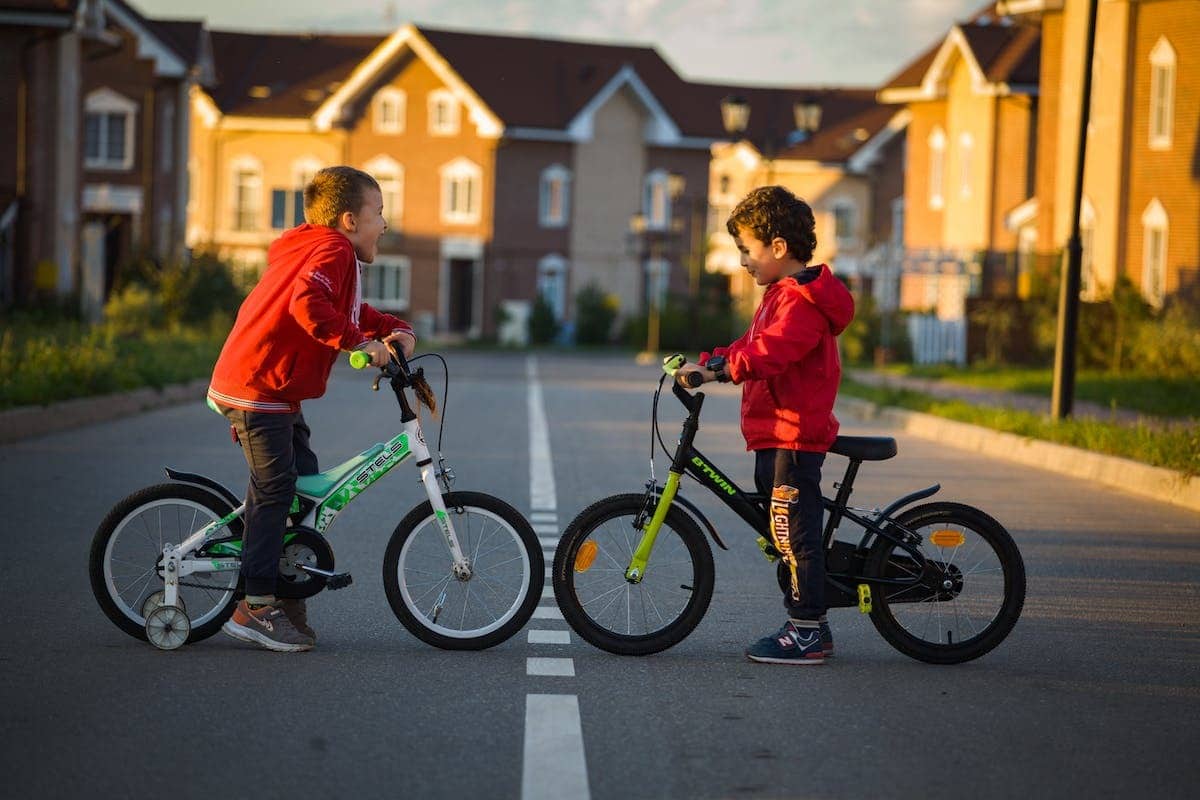
The Benefits of Learning to Bike Without Training Wheels for Children
To introduce children to biking without training wheels, it is best to follow a few key steps that will facilitate their learning and ensure their safety.
First, think about choosing the right moment to start this initiation. Ideally, wait until your child shows signs of interest and motivation to learn how to bike without training wheels. This may be expressed through curiosity towards other children who are already biking without training wheels or by a growing desire for independence.
Once you have identified the right moment, make sure to find a safe place to start learning. It is recommended to choose an open space such as a park or an empty lot where there is little or no car traffic. Ideally, it should also have a flat and even surface like a bike path or a well-maintained driveway.
Before even getting on the bike, familiarize your child with the equipment by showing them how to use it correctly. Show them how to hold the handlebars firmly but without excessive tension, how to use the brakes effectively, and how to adjust the seat height to ensure stability.
The next step is to learn how to maintain balance on two wheels. To do this, encourage your child to walk with their bike while keeping their feet slightly off the ground for a few moments. Gradually, encourage them to extend these moments of balance until they feel comfortable pedaling.
Once your child has gained some confidence in their balance, encourage them to get on the bike and try to ride by pedaling gently. Be patient and praise their efforts, even if they do not immediately manage to maintain their balance over longer distances.
Don’t hesitate to use learning aids such as stabilizing handles or a removable parental handlebar to support your child during their first rides without training wheels. This will help them gain confidence while maintaining a certain level of safety.
Remember the importance of positive encouragement throughout the learning process. Praise the progress made and celebrate small successes. Reassure your child that it is normal to make mistakes and that every attempt is an opportunity to learn and grow.
Introducing children to biking without training wheels can be a rewarding experience both physically and psychologically. By following these steps gradually with patience, encouragement, and safety, you will give your child the opportunity to acquire a valuable skill that will stay with them for life.
Key Steps to Introduce Children to Biking Without Training Wheels
During the learning process of biking without training wheels, you must accompany your child. Do not force them to learn too early or to go faster than they wish. Every child has their own pace, and you must respect their limits in terms of balance and self-confidence.
Avoid distractions during learning sessions. It may be tempting for parents to want to capture every moment on their mobile phone or chat with friends while their child is trying to learn to bike without training wheels. This can distract your child and disrupt their concentration. Make sure to give them your full attention so they feel supported and encouraged in their learning.
Another common mistake is putting excessive pressure on the child to succeed quickly. Let them take their time and progress at their own pace. Constantly encourage them without placing undue pressure on their shoulders. Positively reinforce their progress while maintaining a relaxed and supportive environment.
You should allow them to experiment on their own and learn to manage small falls or occasional imbalances. This is part of the learning process and contributes to the development of their motor coordination.
The learning of biking without training wheels can be an exciting and rewarding experience for your child. By avoiding these common mistakes, you can facilitate the process and ensure a safe and serene learning experience. By providing the right stimulating and suitable environment along with ongoing support, you will help develop your child’s self-confidence and skills that will last a lifetime. Remember that every mistake is an opportunity for improvement and that patience and positive encouragement will be your best assets in guiding your child through this exciting learning process of biking without training wheels.
Common Mistakes to Avoid When Teaching Children to Bike Without Training Wheels
In the quest for safety during the first bike rides without training wheels, it is imperative to equip your child with the appropriate accessories. Here is a list of the essential equipment to ensure their protection:
The helmet is the first line of defense against serious injuries in case of a fall. Make sure the helmet fits your child’s head properly. It should cover their entire skull and extend slightly over the forehead to effectively protect their brain in case of impact.
The knees and elbows are particularly vulnerable to scrapes and impacts during a bike fall. Therefore, it is crucial to equip your child with knee pads and padded elbow guards to minimize the risk of injury.
Gloves provide double protection: they absorb shocks by cushioning the impact with the ground and also protect the delicate skin of the hands from abrasions caused by direct contact with rough asphalt.
To prevent any danger related to debris or blinding sunlight, consider equipping your child with appropriate glasses that will ensure clear vision and optimal comfort during their rides.
Don’t forget to dress your child in reflective clothing, especially if they are biking during low-light hours. These elements increase their visibility and thus their safety on the road.
Ensuring your child is properly equipped is essential for safe biking without training wheels. The helmet, knee and elbow pads, gloves, protective glasses, and reflective clothing are accessories that should be carefully chosen to provide optimal protection. Don’t hesitate to invest in quality products to ensure the durability and effectiveness of these essential equipment during cycling outings. This will allow your child to engage in their favorite sport with confidence and peace of mind.
Biking Safety: Essential Equipment for Children
To encourage and support children in their progression to biking without training wheels, it is important to adopt a positive and stimulating approach. Here are some practical tips to accompany them with kindness:
Choose a suitable environment: Opt for safe and quiet places where your child can practice peacefully. A park or an open playground is ideal for starting, away from car traffic.
Be patient: Learning to bike can be frustrating at first, as the child must develop their balance and motor coordination. Encourage them to persevere while reassuring them about their progress.
Use progressive learning techniques: Start by gradually removing the training wheels so that your child learns to gain balance on their own. You can also use a scooter before transitioning to a bike to enhance their confidence and propulsion skills.
Show them by example: Nothing beats a visual demonstration! By accompanying your child on your own bike outings, you give them the chance to observe your movements, posture, and technique.
Encouraging and Supporting Children on Bikes: Our Tips for Successful Progression
Make sure to provide your child with a properly sized bike. Choose the right model based on their height and age. Ensure that the seat is adjusted correctly so they can touch the ground with their feet and maintain a comfortable position.
To encourage the child to develop their motor skills, offer them educational games related to biking without training wheels. For example, you can organize obstacle courses or friendly races with other children in the neighborhood. This will stimulate their motivation while enhancing their agility and coordination.